


Melrose Relieve
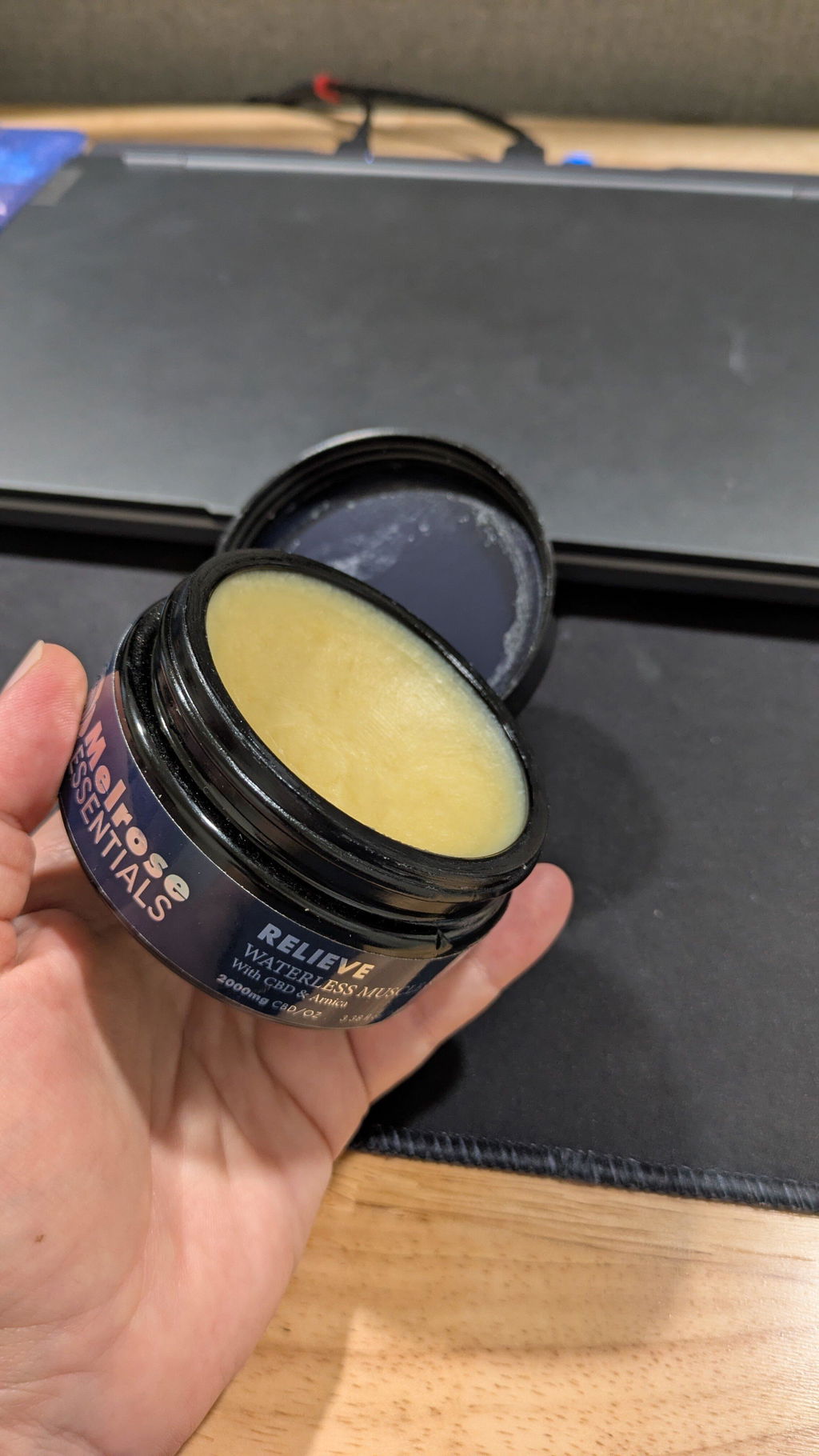
- 2,000 mg broad-spectrum CBD per oz — 0% THC, non-psychoactive
- Waterless formula: 100% botanical actives, nothing diluted with water
- 100 ml (3.38 fl oz) jar — a month or more of daily use
- Designed in our Washington massage studio · made in a licensed US facility · third-party lab tested
- Regular price
-
$127.00 - Regular price
- Sale price
- $127.00
- Unit price
- per


Keep-it guarantee — if Melrose Relieve isn't for you, we refund the full amount and you keep the jar. That's how confident we are you'll like it.
- ✓Free shipping on every order
- ✓0% THC · third-party lab tested
- ✓Keep-it guarantee: full refund and you keep the jar
Why We Made It
Why We Made It
Melrose Relieve began inside our local Washington massage studio, Melrose Massage.
After more than 13 years of serving massage therapy guests, we wanted a CBD cream that met the same standards we expect from the products used in our treatment rooms. Most formulas we found were heavily diluted with water or contained ingredients we didn’t want.
So we designed our own.
Each 100 ml (3.38 fl oz) jar is formulated with 2,000 mg of broad-spectrum CBD per oz, in a concentrated, waterless blend of premium plant oils and botanical ingredients. Because there is no water, a small amount goes a long way — one jar lasts a month or more of daily use.
It is still produced in small batches to the formula we designed for our own treatment rooms, and it is now available beyond our studio for the first time.
-Brett, Founder
Ingredients
Ingredients
Shea Butter, Beeswax, Jojoba Oil, Cocoa Butter, CBD Broad Spectrum Extract, Hemp Seed Oil, Arnica Oil, Calendula Oil, Arrowroot Powder, Menthol Crystals, Lavender Essential Oil, Peppermint Essential Oil, Eucalyptus Essential Oil, Rosemary Extract, Raspberry Seed Oil, Vanilla Essential Oil.
How To Use It
How To Use It
Apply directly to sore muscles or joints. Massage thoroughly until absorbed. Reapply as needed for targeted support.
Certifications & Testing
Certifications & Testing


Formulated by Massage Therapists
The same jar we reach for in the treatment room, after 13 years of hands-on practice.
Perfect For
Anytime your body needs support.

POST-WORKOUT

AFTER A LONG SHIFT

STIFF HANDS & KNEES

DAILY MAINTENANCE
The Formula
Six actives. No water, no fillers, nothing to dilute them.

CBD EXTRACT: 2000mg per oz
High-potency and undiluted — 2,000 mg per oz

ARNICA: Traditional massage botanical
The botanical therapists reach for after deep tissue work

ESSENTIAL OILS: Lavender, peppermint, eucalyptus
Naturally scented — no synthetic fragrance

CALENDULA OIL: Skin-conditioning botanical
Softens and comforts the skin it's massaged into

MENTHOL CRYSTALS: Immediate cooling
That cooling sensation you feel in the first 30 seconds
Not All Relief Creams Are the Same
0% THC
High-potency CBD topical
100% organic ingredients
Fast-absorbing
Absorbs quickly into the skin without leaving a heavy or greasy residue, so you can apply and move on with your day.
Made for targeted relief
3rd-party lab tested
Professional-grade
Formulated and used by massage therapists with over 13 years of hands-on clinical experience.
What People Are Saying
Six verified reviews on the cream so far — small numbers, because we only started selling it outside the studio this year. The clinic behind it, Melrose Massage, holds 4.9 stars from 341 Google reviews over 13 years.
[I received this product for free] I thoroughly enjoyed using this product. I enjoy the scent. It is uplifting. I love the texture of the product. It’s not too oily or greasy. I understand why it’s used by massage professionals. I like that it has clean ingredients and it helps with my sore, achy muscles. I love this one.
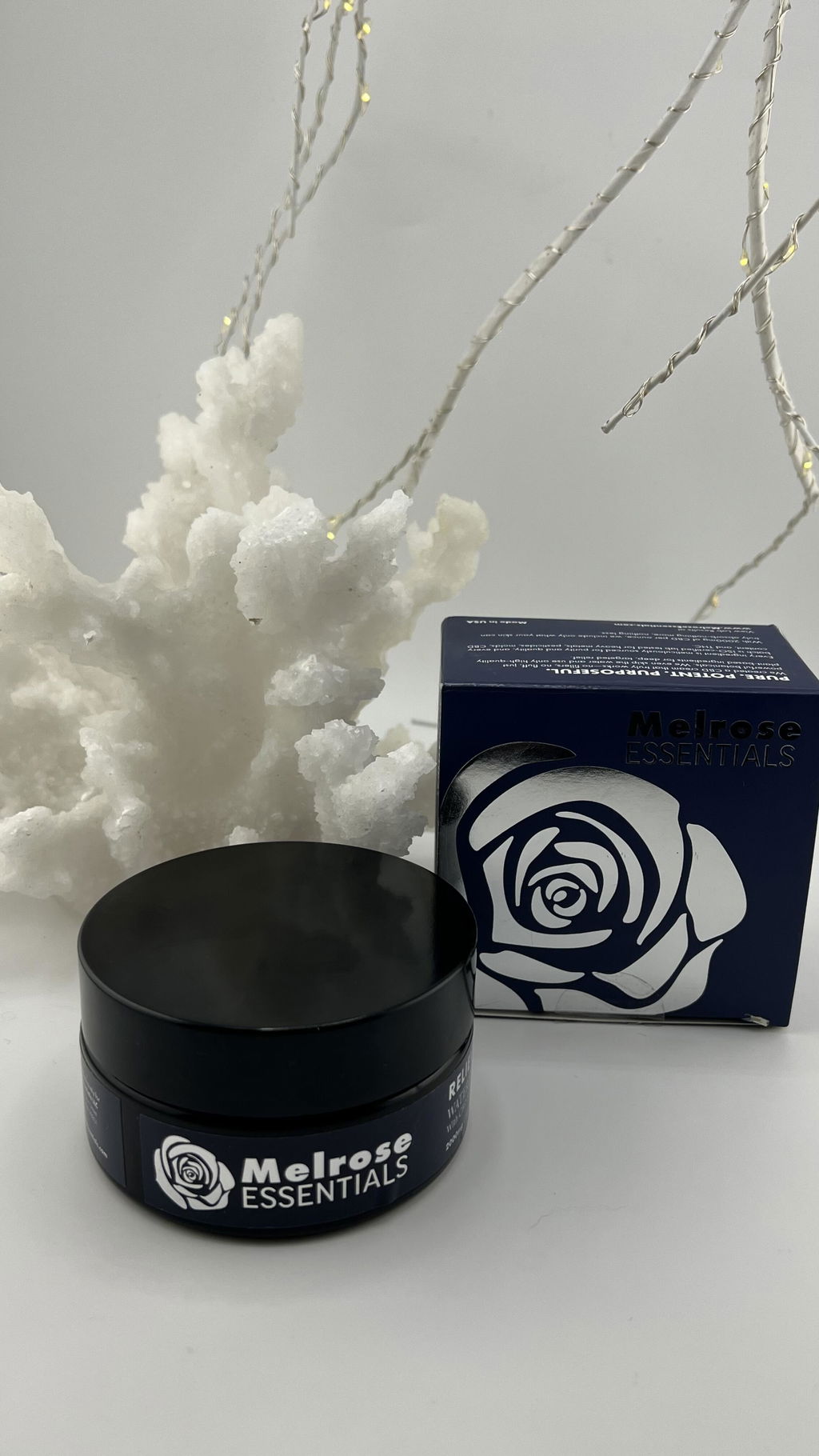
I get a lot of tension headaches and soreness in my neck. I wanted something to help manage the pain. This really works. It rubs in easily, smells really nice, and really relaxes and soothes my muscles. I should also note that a single jar goes a long ways.
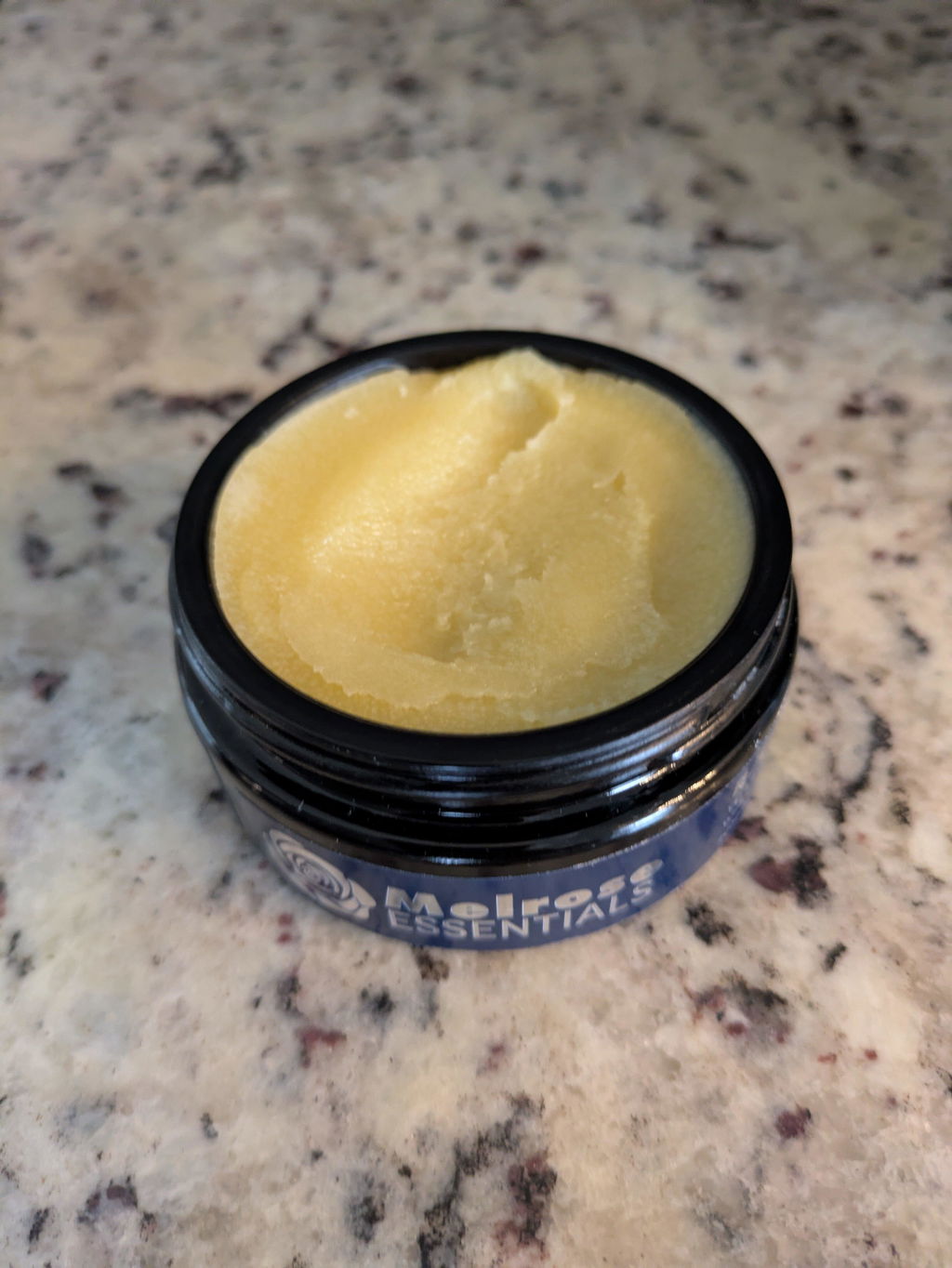
I used this when I strained a muscle in my shoulder (yay for getting older) and I was amazed at how well it works. It significantly decreased my pain and made it so that I was functional, which is HUGE with a newborn and a toddler to chase around! I highly recommend this product!
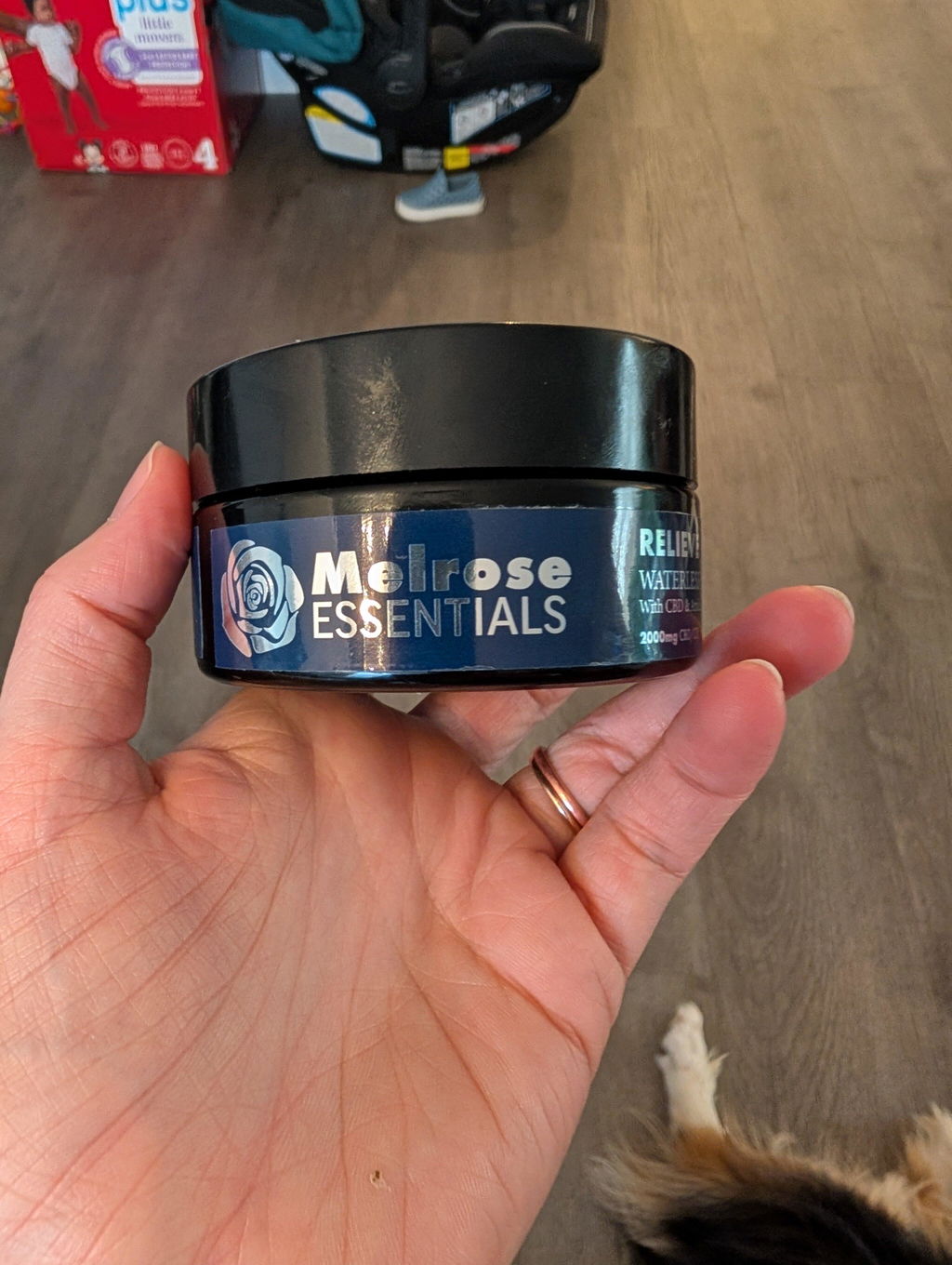
I love this stuff! I use Melrose Essentials with clinical strength CBD daily for effective targeted relief for chronic pain relief. It smells good, is full of natural botanicals and absorbs well. I also use it on my sore stiff hands after gardening. I highly recommend it!
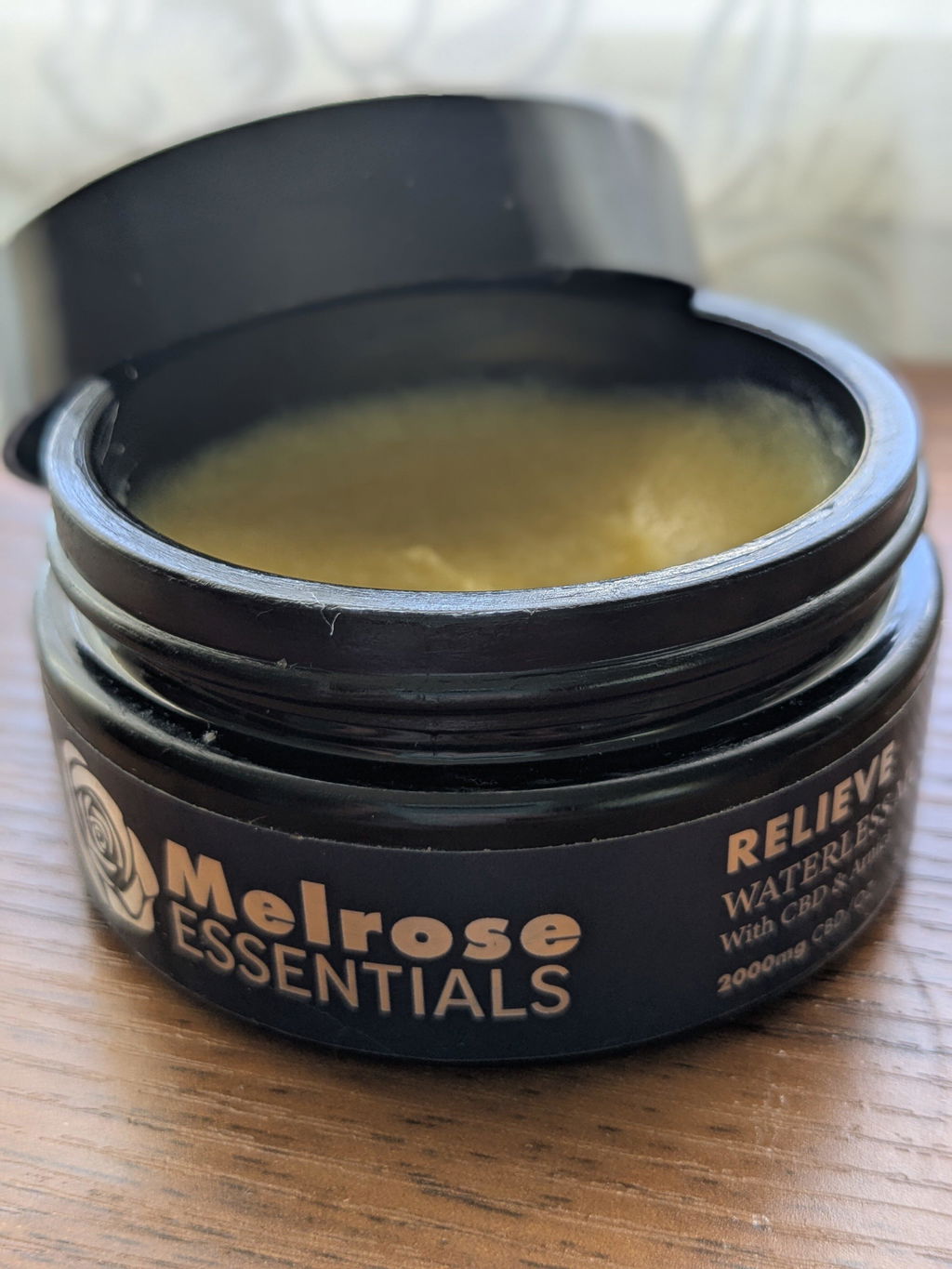
It's fantastic! This has helped my stiff and sore neck so well. I love the targeted fast relief and it smells absolutely amazing! I will definitely keep this stocked for my "tech neck"
Works Great!
Super high-quality. Nice natural smell. Feels great formy neckpain.
This was fantastic! Works amazing. Great price.
Relief starts here. This product is incredible! I love the texture and how seamlessly it absorbs into the skin. Applied directly to sore muscles and joints, it delivers targeted relief you can truly feel, with benefits that go beyond the surface. This will absolutely be a staple in my body care routine.

Subscription Perks
✓ Save 15% on every order
✓ Free shipping (always)
✓ Flexible delivery: 1, 3, or 5 months
✓ Skip, pause, or cancel anytime
✓ Never run out of relief
Frequently Asked Questions
Have a question not answered here? Reach out.
Will this make me feel high?
Will this make me feel high?
No. Melrose Essentials contains 0% THC and is non-psychoactive. It’s designed for topical use only and won’t affect your mental state.
How is this different from other CBD creams?
How is this different from other CBD creams?
Melrose Essentials is a high-potency, fast-absorbing topical made with a short list of botanical ingredients and used daily in professional massage practice.
The formula delivers 2000 mg of CBD per ounce, a concentration intentionally chosen to align with the maximum effective topical absorption, paired with supportive botanicals that work together without unnecessary fillers.
Every batch is third-party tested for purity and potency, so what’s on the label is exactly what’s in the jar.
How often can I use it?
How often can I use it?
You can apply it daily, as needed.
Many people use it after activity, at the end of the day, or anytime muscles or joints feel tight or overworked.
Is it tested for quality and purity?
Is it tested for quality and purity?
Yes. Every batch is 3rd-party lab tested to confirm purity and consistency.
How long does one jar last?
How long does one jar last?
With regular use, one jar lasts a month or more — many customers get two to three months from a jar. Because the formula is highly concentrated and waterless, a small amount goes a long way when applied to targeted areas.
Does it have a strong smell?
Does it have a strong smell?
No. The scent is light and naturally derived from the botanicals, not added fragrance. It’s subtle, clean, and fades quickly after application.


